Aviation Switching Module – NSN 4920-01-250-2696 (AS-IS / Untested): Aerospace Electrical Control Component
Aviation Switching Module – NSN 4920-01-250-2696 (AS-IS / Untested): Aerospace Electrical Control Component
Blog Article
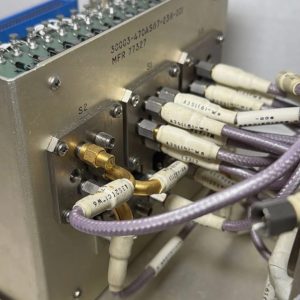
The Aviation Switching Module – NSN 4920-01-250-2696 (AS-IS / Untested) combines recognizable aviation hardware, an identifiable National Stock Number, potential electrical-control functionality, and commercial value for informed specialist buyers.
An Aircraft Switching Module may interact with test equipment, aircraft systems, electrical circuits, or support hardware, while an Aerospace Switching Module should not be energized without suitable technical information.
Every Aircraft Power Switching Module or Aircraft Signal Switching Module should be assessed individually because connectors, voltage, current, control logic, and system compatibility can vary significantly.
The Aviation Control Module may be associated with a larger Aircraft Electronic Switching System, while the Aerospace Switching Unit and Aircraft Electrical Module should be inspected before connection or installation.
Overview of the Aviation Switching Module
The National Stock Number provides an important catalog reference that can help buyers research the item’s supply history, technical identity, related part numbers, and possible equipment application.
An identification plate should not be removed, repainted, altered, or covered because it may provide the strongest evidence of the component’s origin.
Buying an Untested Aviation Module
The condition description should be understood as a limitation rather than a suggestion that the unit is probably operational.
An untested component should not be connected directly to aircraft wiring, expensive test equipment, batteries, laboratory supplies, or unknown power sources.
Aircraft Switching Module Applications
A module used with maintenance equipment may function differently from one installed onboard an aircraft.
A detailed visual inventory supports informed evaluation of the Aircraft Switching Module.
Maintaining a Switching Module Assembly
An Aerospace Switching Module may use a durable enclosure, secure connectors, internal wiring, switches, relays, terminal assemblies, circuit boards, or other configuration-specific components.
Connectors should be examined for bent pins, pushed-back contacts, corrosion, contamination, cracked inserts, damaged threads, broken keyways, missing caps, and impact marks.
Aircraft Electrical Switching Module Inspection
A burnt odor, melted material, soot, or arcing marks should be disclosed clearly.
If the enclosure is opened for professional inspection, the process should be documented with photographs and organized hardware control.
Aviation Electrical Control Module Functions
Professional research should occur before any attempt to connect the Aviation Electrical Control Module.
Careful preservation supports future study and accurate Aviation Electrical Control Module documentation.
Choosing an Aircraft Power Switching Module
An Aircraft Power Switching Module may connect, disconnect, select, or manage compatible electrical power circuits when designed for that function.
Power-input and output terminals should be checked for looseness, heat discoloration, corrosion, damaged insulation, and unsuitable previous repair.
Aerospace Electrical Control Unit Evaluation
Troubleshooting requires a logical sequence based on technical information rather than random power application.
Replacement components should match the required electrical, mechanical, thermal, and environmental characteristics of the original design.
Maintaining Aircraft Interface Hardware
The pinout and signal type should be confirmed before continuity or injection testing.
Original cable assemblies may add significant value when included.
Aviation Control Module Applications
An Aviation Control Module should be treated as one component within a larger system rather than a standalone universal controller.
Accurate configuration review reduces the risk of an unsuitable Aviation Control Module acquisition.
Choosing an Aircraft Switching Unit
Its value depends on identity, completeness, cosmetic condition, connector integrity, internal status, rarity, and availability of documentation.
Technical schools may use a de-energized module to demonstrate connector inspection, switch construction, equipment identification, documentation research, or safe troubleshooting planning.
Aircraft Electrical Distribution Hardware
Professional evaluation helps determine whether the unit serves a power-distribution role or another specialized function.
The original installation orientation should be researched where possible.
Aircraft Electrical Control Unit Inspection
An Aircraft Electrical Control more info Unit should receive an organized inspection covering identification, enclosure condition, connectors, controls, labels, hardware, internal components, and signs of environmental exposure.
Continuity measurements, insulation checks, contact-resistance testing, and component examination may be appropriate when performed by qualified personnel.
Inspecting a Power Control Module
Broad market keywords can support discovery while the technical description remains precise.
Safe handling is important even when the Aviation Power Control Module is sold strictly AS-IS.
Aircraft Electronic Switching System Integration
Without those references, operational claims should remain limited.
Intermittent switching problems can result from worn contacts, damaged connectors, corrosion, weak relays, cracked solder joints, unstable power, or harness faults.
Protecting an Aerospace Switching Unit
Proper storage helps preserve the Aerospace Switching Unit for testing, restoration, or collection.
Shipping should use cushioning that supports the enclosure while protecting protruding switches, connectors, controls, labels, and mounting points.
Aircraft Electrical Module Buying Considerations
An Aircraft Electrical Module should be purchased according to exact identity, intended use, condition, completeness, technical support, testing requirements, and available documentation.
Transparent disclosure strengthens trust in an Aircraft Electrical Module transaction.
Evaluating an AS-IS Aircraft Switching Unit
The buyer should request enough information for an aviation electronics technician, aerospace-equipment specialist, or experienced surplus buyer to evaluate the unit.
- Verify the module identity through its NSN, data plate, physical configuration, connector arrangement, and available technical references.
- Arrange qualified technical evaluation whenever condition, internal status, or testing requirements remain uncertain.
- Retain purchase records, photographs, labels, research, testing notes, and repair documentation with the module.
Testing the Aviation Switching Module
A qualified technician may use controlled and current-limited equipment appropriate to the module design.
Powered testing should proceed gradually while monitoring current, temperature, smell, noise, indicators, and unexpected behavior.
Restoring the Aerospace Switching Module
Replacement parts should be selected according to electrical rating, mechanical fit, material, environmental requirements, and original design intent.
Every repair should record the date, technician, fault found, parts replaced, measurements, testing performed, and remaining limitations.
Buying NSN 4920-01-250-2696
The Aviation Switching Module – NSN 4920-01-250-2696 (AS-IS / Untested) offers stronger commercial appeal when its markings, controls, connectors, enclosure, accessories, history, and limitations are documented accurately.
An experienced aviation-electronics technician should assess the module before it is powered, installed, or connected to other equipment.
Whether the requirement is an Aircraft Switching Module, Aerospace Switching Module, Aircraft Electrical Switching Module, or Aviation Electrical Control Module, exact identification should guide the purchase.
With transparent condition reporting, secure shipping, controlled testing, appropriate repair methods, and accurate records, the unit can support a professional aerospace project.
Report this page